
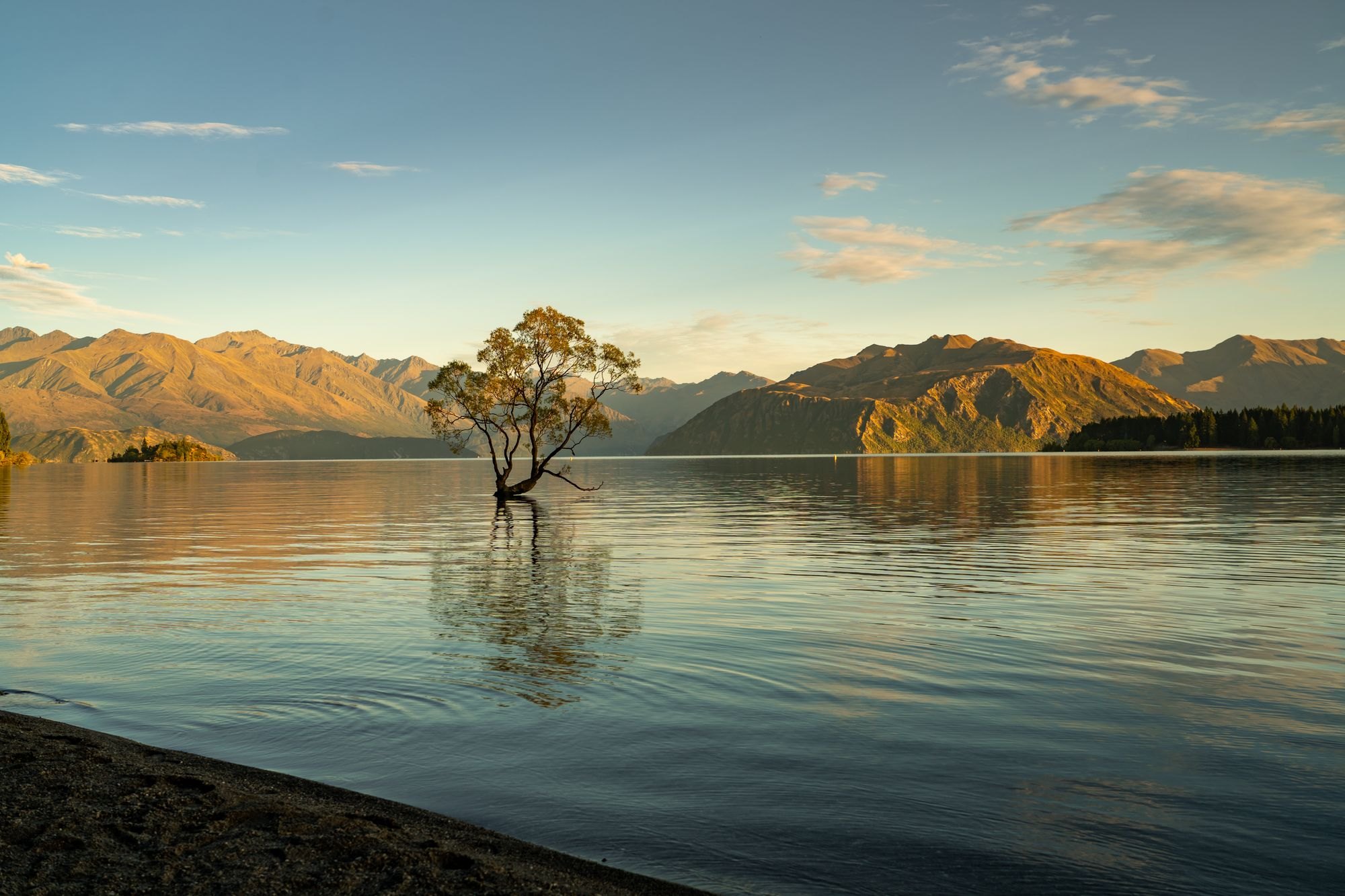
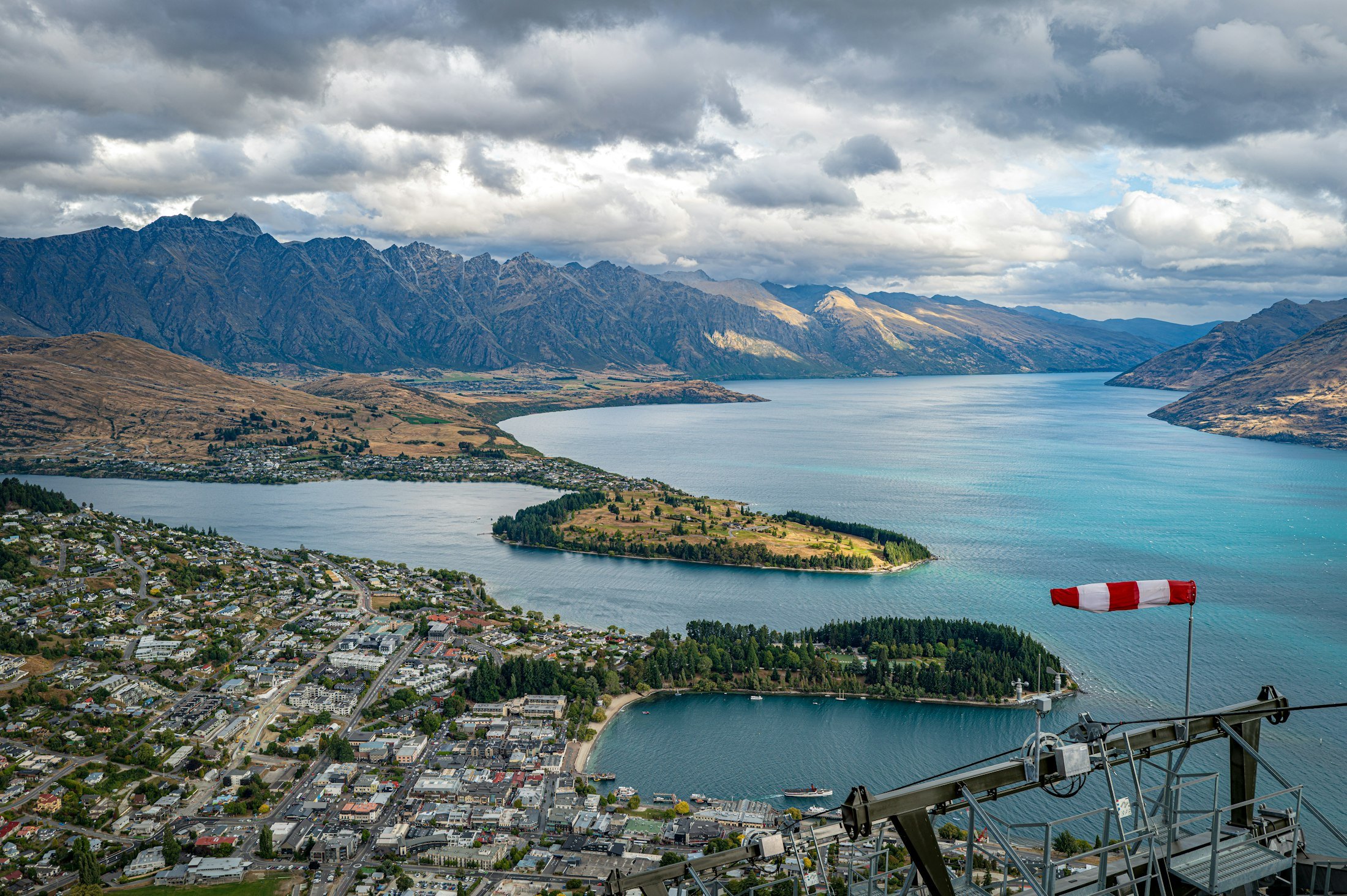
Wanaka · Queenstown · Cromwell
Solar for Central Otago homes.
Designed, supplied and installed for houses in Wanaka, Queenstown and Cromwell, including batteries where they suit how you use power. Commercial buildings and farms across the South Island are part of the same work.
Wanaka · Queenstown · Cromwell
Home solar.
We design the system around your roof and how your household uses power, supply and install the panels and inverter, tie it into the switchboard, and handle the application to connect it to the grid.
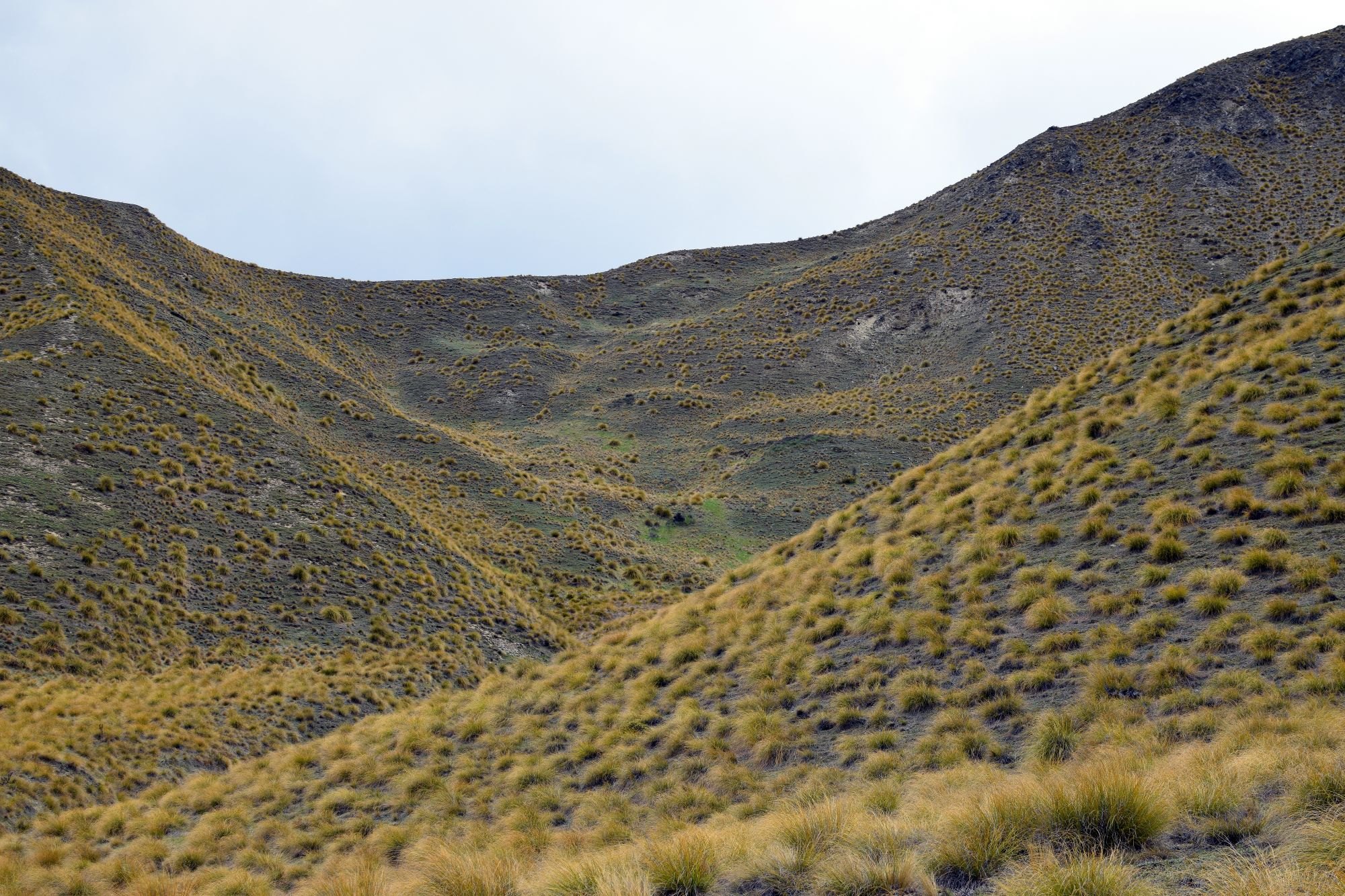
Hills and ridgelines matter here. A roof that faces the right way can still lose winter sun to the land behind it, so we check the horizon for each roof before recommending a system.
Book a free solar assessment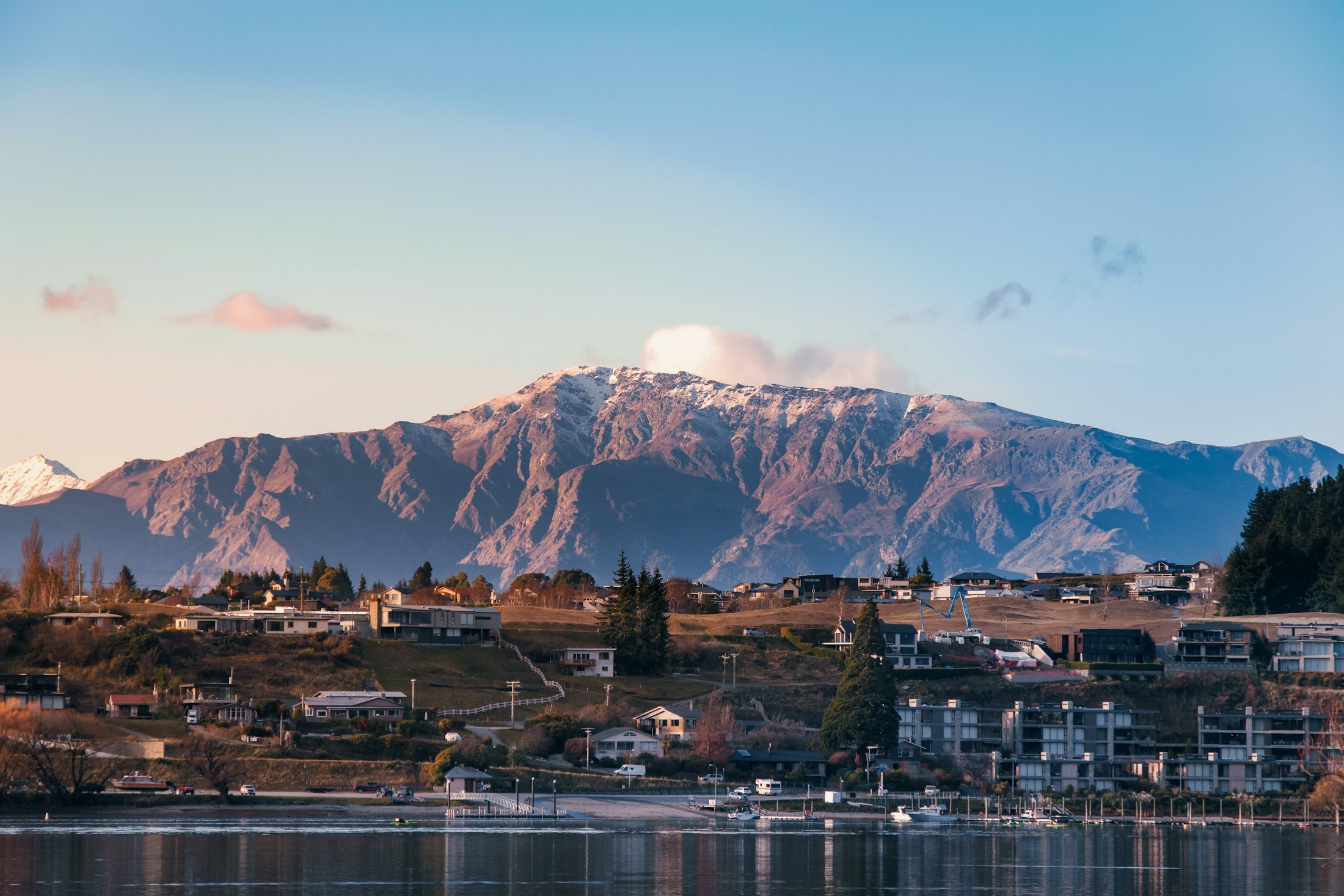
Sized against your power use
A recent power bill tells us how much you use and when, which sets the size of the system.
Grid connection handled
The application to the lines company and the switchboard work are part of the job.
Commissioned and monitored
Tested before handover, with monitoring set up so you can see what it's producing.
Batteries and backup
Batteries, backup and charging.
A battery stores solar to use later in the day. Keeping selected circuits on during a power cut is a separate choice. It depends on the inverter and how the switchboard is set up. We look at a recent power bill, and at what you want available in an outage, before specifying either.
Batteries on a new system are usually connected through a hybrid inverter. If you might add a battery later, tell us and we can allow for it when the system is designed.
EV charging can be included in the same job, on its own circuit from the switchboard, or added afterwards.
Ask about a batteryRooftop systems on commercial buildings
Commercial solar.
Commercial buildings use most of their power during the day, which is when solar produces it. Systems are sized against that load rather than the size of the roof, so more of what's generated is used on site.
The work covers design, supply and installation, the connection into the existing switchboard, the grid-connect application with the lines company, and commissioning and monitoring setup.
On occupied buildings the installation is planned around trading — roof access, isolations and switchboard work scheduled so the doors stay open.
Dairy sheds, pumping and farm buildings
Rural solar.
Dairy sheds are well suited to solar. Vacuum and milk pumps, vat refrigeration and hot water all run while the panels are producing, and the shed roof is usually large enough to carry a useful system.
The same goes for irrigation pumping, vineyards and wineries, packhouses and coolstores, and farm workshops. Systems go on shed roofs or on the ground, sized against what the farm actually runs.
Where the solar ties into pumps, drives or refrigeration, that electrical work is included — along with variable speed drives on pumps where they make sense.
Solar estimator
What would it make?
Pick your region, size a system and set your power price. It's a rough guide. Add it to the enquiry if you want us to see the figures you were looking at. For a real number, send a power bill.
December about 901 kWh · June about 236 kWh
A rough estimate, not a quote. Generation modelled with PVGIS (European Commission) for a north-facing system with 14% losses.Savings are on the per-kWh part of your bill only — fixed daily charges stay the same. Your roof's direction and pitch, shading, terrain and actual tariff all change the result. Send a recent power bill for a real number.
Commercial and rural
Sized against the load
Systems are designed around when and how the site uses power, not around how much roof there is.
Connected properly
The tie-in to the existing switchboard or pumps is part of the job, along with the grid-connect application.
Commissioned and monitored
Tested and commissioned before handover, with monitoring set up so you can see what it's producing.
Solar
Book a free solar assessment.
A recent power bill and the address is enough to start. A photo of the switchboard and the roof helps. If you used the estimator, add those figures to the notes.